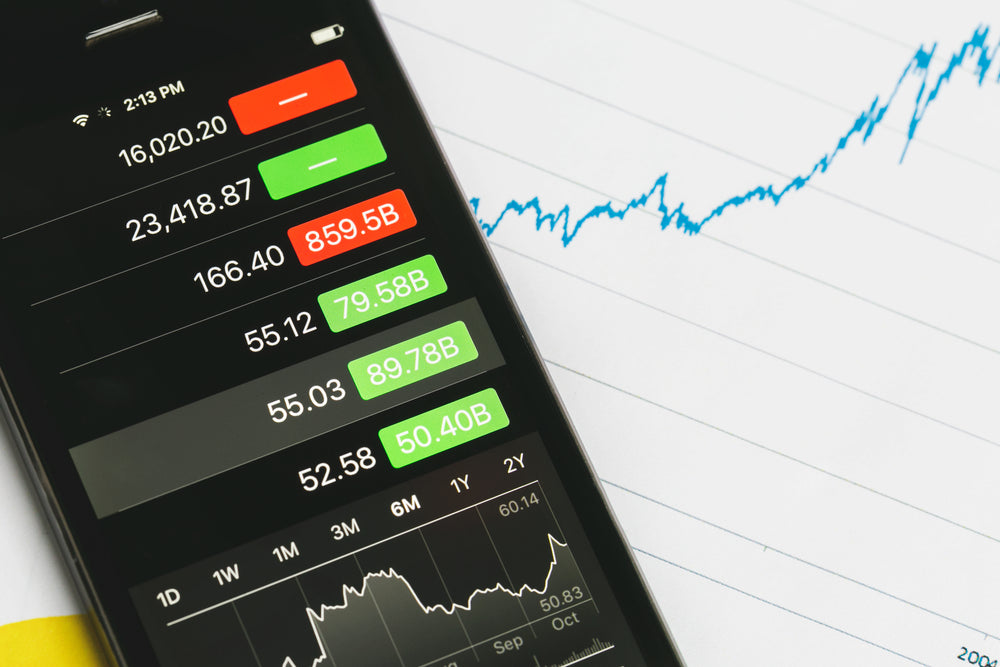

For many small business owners, financial oversight is often relegated to a retrospective glance at a bank balance or a quarterly meeting with an accountant. While these methods provide a snapshot of the past, they rarely offer the foresight required to navigate complex market shifts or operational bottlenecks. A robust financial dashboard acts as the cockpit of an organisation, translating raw accounting data into a visual, real-time narrative of health and trajectory. The objective is not to track every possible data point, but to isolate the vital few that dictate long-term viability.
The challenge lies in avoiding 'data fatigue.' Modern accounting software can generate hundreds of reports, yet most of these are vanity metrics that do not influence decision-making. To achieve genuine profitability and financial resilience, a dashboard must focus on lead indicators—metrics that predict future performance—rather than just lag indicators like historical revenue. This article outlines a structured approach to building a dashboard that serves as a strategic asset, ensuring that every pound of capital is deployed for maximum impact.
PREMIUM ARTICLE
Continue reading with Business Insights Premium
The full framework, implementation steps and examples are available to Premium members for $4.99 USD per month. Cancel anytime.
Subscribe to PremiumAlready a member? Sign in
General business education, not personalised financial, legal, or tax advice. Examples use hypothetical figures; results vary.
KNOWLEDGE INTO ACTION
Make your next decision a better one.
Put these ideas to work with our practical business resources.
Explore Resources